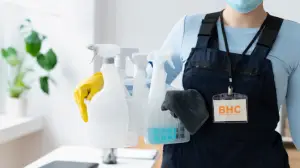
Most of us think we’ve got cleaning under control. Floors? Done. Kitchen counters? Sparkling. Bathrooms? Scrubbed weekly. But here’s the thing – your home is still hosting a microscopic house party you didn’t invite. Germs are excellent at finding hiding spots, and in Brisbane’s warm, humid climate, they thrive even more.
Below are seven sneaky germ hotspots in your home that often get overlooked, along with practical tips on how to clean them and keep your household healthier.
1. Remote Controls, Light Switches and Door Handles
Let’s start with the obvious culprits hiding in plain sight. Your remote control might be the filthiest object in your living room. Studies from the University of Arizona found that TV remotes can carry more than 10,000 bacteria per square inch, including traces of cold and flu viruses.
Light switches and door handles are no better. They’re touched dozens of times a day, often by different people, yet rarely cleaned. When you combine that with Brisbane’s humid air, which helps bacteria linger longer on surfaces, you’ve got a perfect breeding ground for germs.
Cleaning tip:
- Wipe remotes, switches and handles at least twice a week using disinfectant wipes or a microfibre cloth with diluted isopropyl alcohol.
- For remotes, use cotton buds to reach the buttons and gaps.
2. Kitchen Sponges and Dishcloths
You might want to sit down for this one. The humble kitchen sponge is one of the dirtiest items in the home. Research from NSF International found that 75 per cent of kitchen sponges and dishcloths tested positive for coliform bacteria.
Warm temperatures and leftover food particles make sponges ideal for bacteria to multiply. Brisbane’s subtropical humidity only accelerates the process. By the time you’ve wiped your benchtop, you might just be spreading the germs around.
Cleaning tip:
- Replace sponges every 5 to 7 days.
- Microwave damp sponges for one minute to kill most bacteria.
- Wash dishcloths daily in hot water and dry them completely before reuse.
3. Toothbrush Holders and Bathroom Accessories
Your bathroom might look spotless, but it’s often a hidden germ paradise. Toothbrush holders, soap dishes and even the base of pump dispensers collect water and residue, creating perfect conditions for mould and bacteria.
A study published by the NSF found that 27 percent of toothbrush holders contained coliform bacteria and 14 percent tested positive for staphylococcus. Add Brisbane’s humidity and you’ve got a recipe for microbial growth, especially if your bathroom lacks ventilation.
Cleaning tip:
- Rinse and disinfect toothbrush holders and soap dishes once a week with warm soapy water or a vinegar solution.
- Store toothbrushes upright and separate them to prevent cross-contamination.
- Ensure bathrooms are well-ventilated or use a small dehumidifier to minimise moisture build-up.
4. Pet Bowls and Toys
Pets bring endless joy but also their fair share of germs. Food and water bowls can harbour bacteria like salmonella, especially when not cleaned frequently. Pet toys, particularly soft ones, collect saliva, dust and outdoor dirt.
In Brisbane’s climate, with pets often spending time both indoors and outdoors, bacteria can multiply quickly. Even if your furry friend looks clean, their toys and feeding areas may not be.
Cleaning tip:
- Wash pet bowls daily with hot, soapy water and rinse thoroughly.
- Disinfect once a week with a diluted vinegar or hydrogen peroxide solution.
- Clean or replace soft toys every couple of weeks, and wipe hard toys with disinfectant regularly.
5. Reusable Shopping Bags
Eco-friendly? Yes. Germ-free? Not so much. A study from the University of Arizona found that 97 per cent of shoppers never wash their reusable bags, even though half were found to contain harmful bacteria.
In Brisbane’s warmth, moisture from groceries, especially produce and meat, creates a perfect breeding ground for mould and microbes. Tossing your bags in the car boot after use doesn’t help – high temperatures only make bacteria multiply faster.
Cleaning tip:
- Wash fabric bags in hot water after each use, or at least once a week.
- Disinfect plastic or nylon bags with an antibacterial spray and air-dry completely.
- Keep separate bags for raw meats, produce and household items to prevent cross-contamination.
6. Air Conditioning Vents and Filters
Here’s one that Brisbane households often forget. Air conditioners are essential during our long, humid summers, but the very vents that keep you cool can also circulate dust, mould spores and bacteria if not cleaned regularly.
When moisture builds up in the filters or ducts, microbes find the perfect spot to grow. Over time, that contamination is blown into your living space. This can trigger allergies, sinus irritation and fatigue, the exact opposite of the comfort your aircon is supposed to provide.
Cleaning tip:
- Clean filters once a month during summer or high-use periods.
- Wipe vents with a damp cloth and vacuum around units to remove dust.
- Schedule professional servicing at least once a year to deep-clean internal components.
7. Phone Screens and Charging Cables
Your phone probably goes everywhere with you – kitchen, bathroom, gym, even the dinner table. Multiple studies have shown that the average phone screen carries ten times more bacteria than a toilet seat.
Charging cables are another overlooked item. They’re handled frequently, often placed on the floor or near dust-collecting sockets. When you think about how often you touch your face after using your phone, the germ transfer becomes obvious.
Cleaning tip:
- Wipe your phone and charger daily using a microfibre cloth with alcohol-based cleaner or disinfectant wipes.
- Avoid using harsh cleaning liquids that might damage your screen coating.
- Keep devices out of bathrooms to minimise moisture and bacteria exposure.
Keeping It Clean in Brisbane’s Humid Climate
Brisbane’s weather makes cleanliness a little trickier. Warm air and humidity help bacteria and mould grow faster, especially on damp or porous surfaces. Regular ventilation, ceiling fans and dehumidifiers can help maintain airflow and prevent bacterial build-up.
Professional cleaners also make a big difference. Brisbane House Cleaners can help you tackle these hidden dirt traps with targeted cleaning routines that suit local conditions. From disinfecting high-touch surfaces to deep-cleaning air-conditioning vents, professional cleaning services help keep your home hygienic, comfortable and safe.
Final Thoughts
A spotless-looking home isn’t always a germ-free one. Remote controls, pet bowls, reusable bags and even your phone may be hosting bacteria you’d rather not know about. By paying attention to these hidden dirt traps, you not only reduce your risk of illness but also create a healthier space for your family to live and breathe.
So next time you grab your remote, switch on the aircon, or cuddle your pet, remember – a quick wipe, wash or scrub could make a bigger difference than you think. In Brisbane’s warm, active lifestyle, a cleaner home is not just a nicer one, it’s a healthier one.